
Criminal Defense
The best criminal defense receptionist that works 24/7
Capture charge details, custody status, and court deadlines from the first interaction, automatically and around the clock
The Problems in Criminal Defense
A missed call could mean someone stays in custody longer than they should
Slow intake turns urgent cases into missed opportunities.
Criminal defense prospects often reach out during their most stressful moments. When they cannot get through immediately, they move on to the next attorney who picks up.
Time-sensitive matters are not triaged fast enough
Arraignment deadlines, bond hearings, and active warrants demand immediate action. Delays of even a few hours can change outcomes.
Critical details are lost between touchpoints
Charge details, custody status, court dates, and co-defendant information are captured inconsistently across calls and intake forms.
Calls from detention facilities go unanswered
Inbound calls from jails and prisons require specific dial-tone responses and are often missed or dropped by standard phone systems.
What Modern Criminal Defense Intake Requires
Modern criminal defense intake requires three things at the same time:
If any one of these are missing, cases are lost.
Immediate Response
Thorough Qualification
Round-the-Clock Availability
Existing Solutions
Existing Solutions Fall Short
Firms try to solve intake by hiring more staff or outsourcing to answering services. Each approach may improve coverage, but tradeoffs can be costly.
Inhouse Intake Specialist
No round-the-clock coverage
Expensive to hire and maintain
High training and onboarding cost
Inconsistent across team members
Hard to scale with case volume
Answering Service
Gets expensive as call volume grows
Variable call quality
Not tailored to your firm
Inconsistent case qualification
Limited follow-up capability
The Solution
Criminal Defense AI Receptionist
Strengthen your defense practice intake with an AI receptionist that is available around the clock, including calls from detention facilities
Criminal Defense Intake Done Correctly
The steps needed to run an elite intake operation for criminal defense
Step 1
Interview Intake
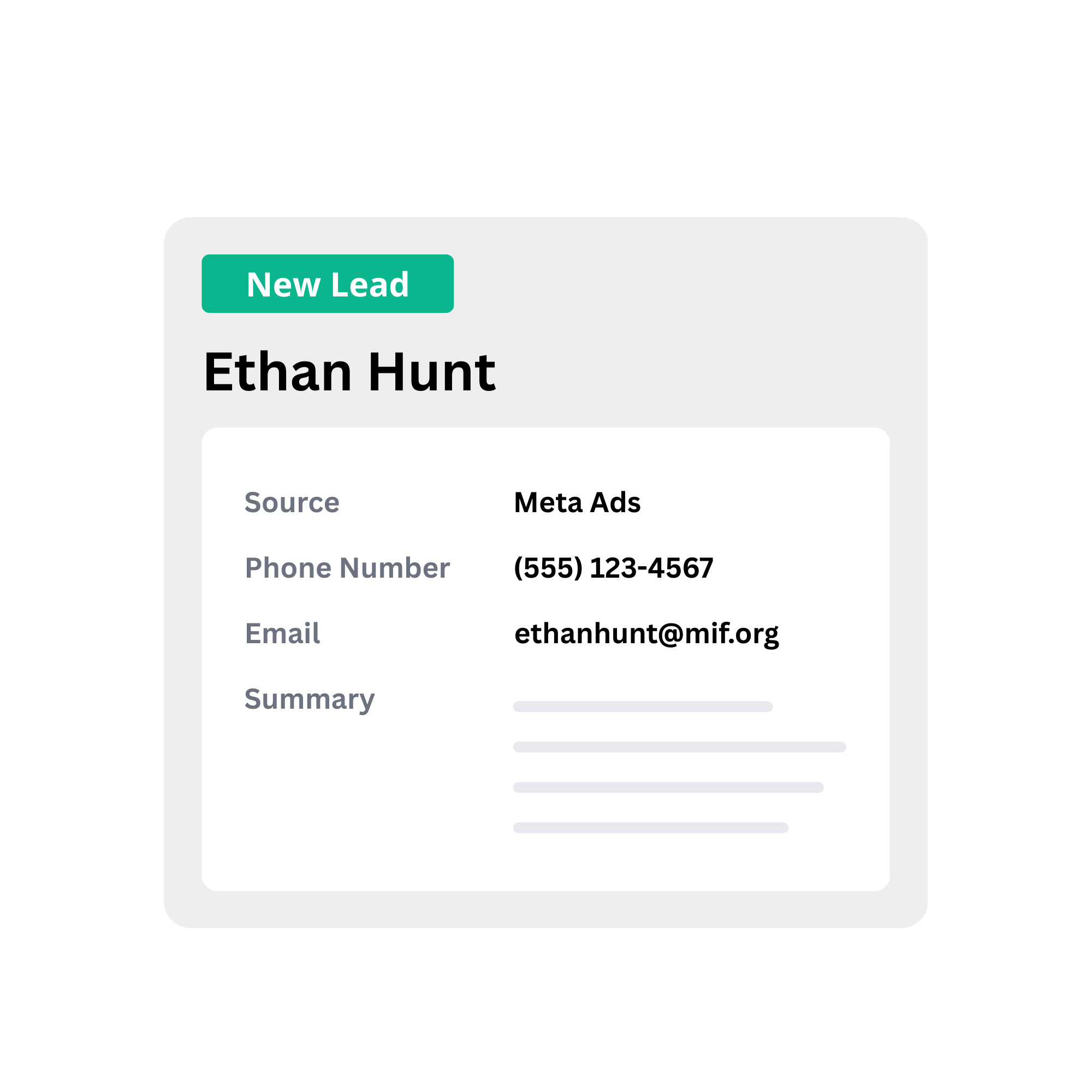
Structured 30 to 50 question interviews capture charge details, custody status, court dates, and qualifying information before a consultation is scheduled.

Step 2
Outbound Follow-Up
Prospective clients and their families are contacted consistently across voice, text, and email until documentation or next steps are secured.
Step 3
Prison Call Intake
Your AI receptionist can press required dial tones to receive and route inbound calls from detention facilities and prisons, so no call goes unanswered.
Step 4
Call Routing & Live Transfer
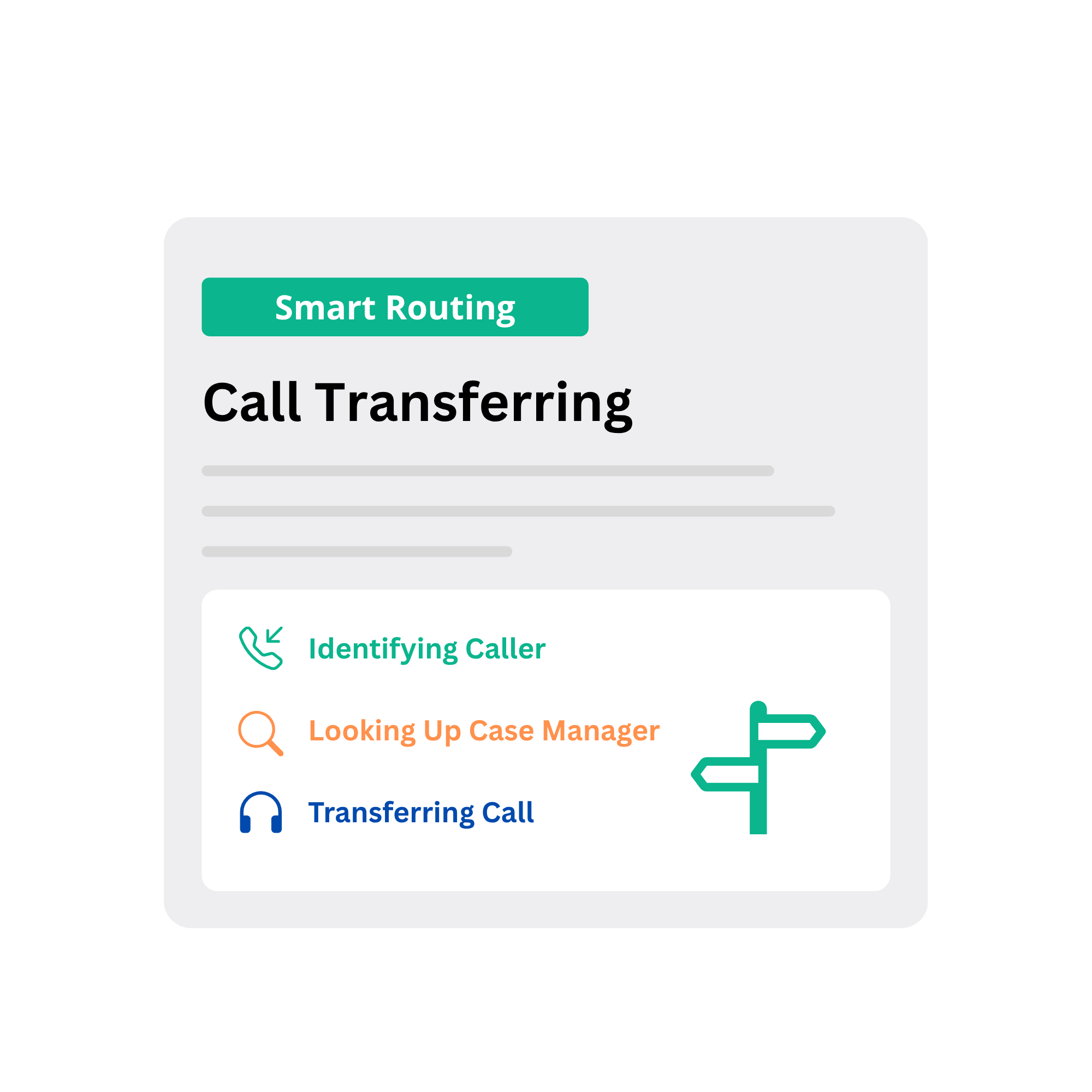
Calls and inquiries are directed to the appropriate attorney or team member automatically based on charge type and urgency, reducing friction and response time.
Want to always be there for your clients?
Interview your AI Employee© 2026 Reflekt Legal. All rights reserved.