
Employment Law
Legal AI receptionist for employment law firms
Capture every workplace dispute from the first call with structured intake that qualifies claims, preserves evidence, and routes cases instantly
The Problems in Employment Law
One missed deadline or lost document can sink a workplace claim before it starts
Slow intake becomes lost cases.
Employment law prospects are often in crisis. When your intake can only operate during business hours and lacks the structure to capture critical details, you lose the clients who need you most.
Short filing deadlines slip by
EEOC charges, state agency complaints, and statute-of-limitations windows are measured in days, not months. A slow intake process can permanently bar a valid claim.
Evidence disappears quickly
Employers overwrite emails, revise personnel files, and reassign witnesses. Without early document preservation, the strongest cases lose their foundation.
Emotional callers need structure
People reaching out about workplace harassment, wrongful termination, or retaliation are under stress. Unstructured intake misses critical facts and loses trust.
What Modern Employment Law Intake Requires
Modern employment law intake requires three things at the same time:
If any one of these are missing, cases go cold and clients move on.
Rapid Response
Structured Qualification
Evidence Preservation
Existing Solutions
Existing Solutions Fall Short
Firms try to solve the intake gap by hiring more staff or outsourcing to answering services. Neither approach handles the speed and structure that employment cases demand.
In-house Intake Staff
Limited to business-hour availability
Inconsistent case qualification across team members
Expensive to hire, train, and retain
Cannot handle after-hours urgency of workplace crises
Difficult to scale with surges in employment disputes
Answering Service
No understanding of employment law terminology
Cannot identify viable claims from general complaints
Variable call quality and incomplete case notes
No document follow-up or evidence preservation
Limited to scripted responses that miss case nuance
Employment Law Intake Done Correctly
The steps needed to run an elite intake operation for employment law
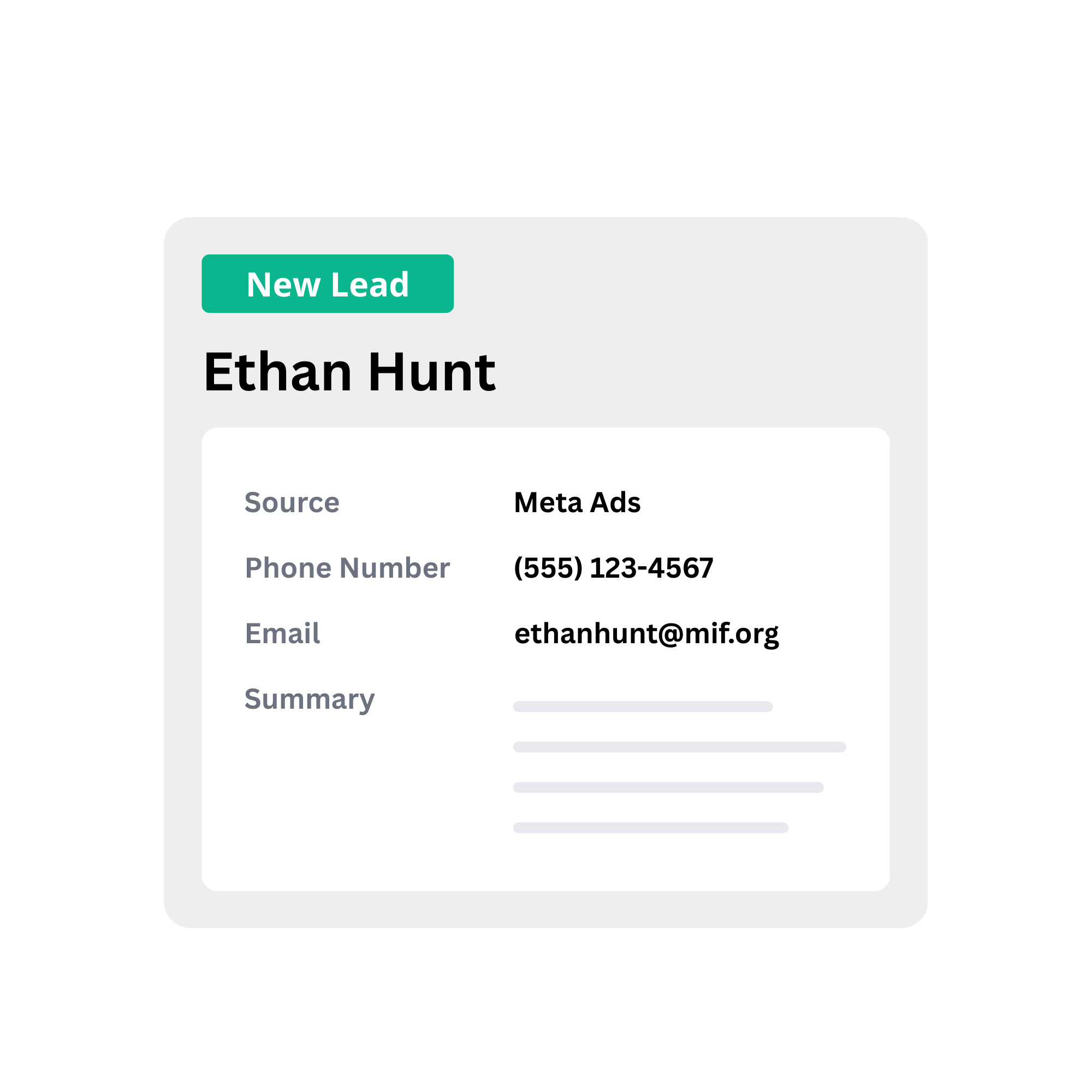
Step 1
Immediate Response
Every inquiry triggers instant outreach from your AI assistant. Whether a prospect calls after being fired at 10 PM or submits a form over the weekend, they get a structured response within seconds.
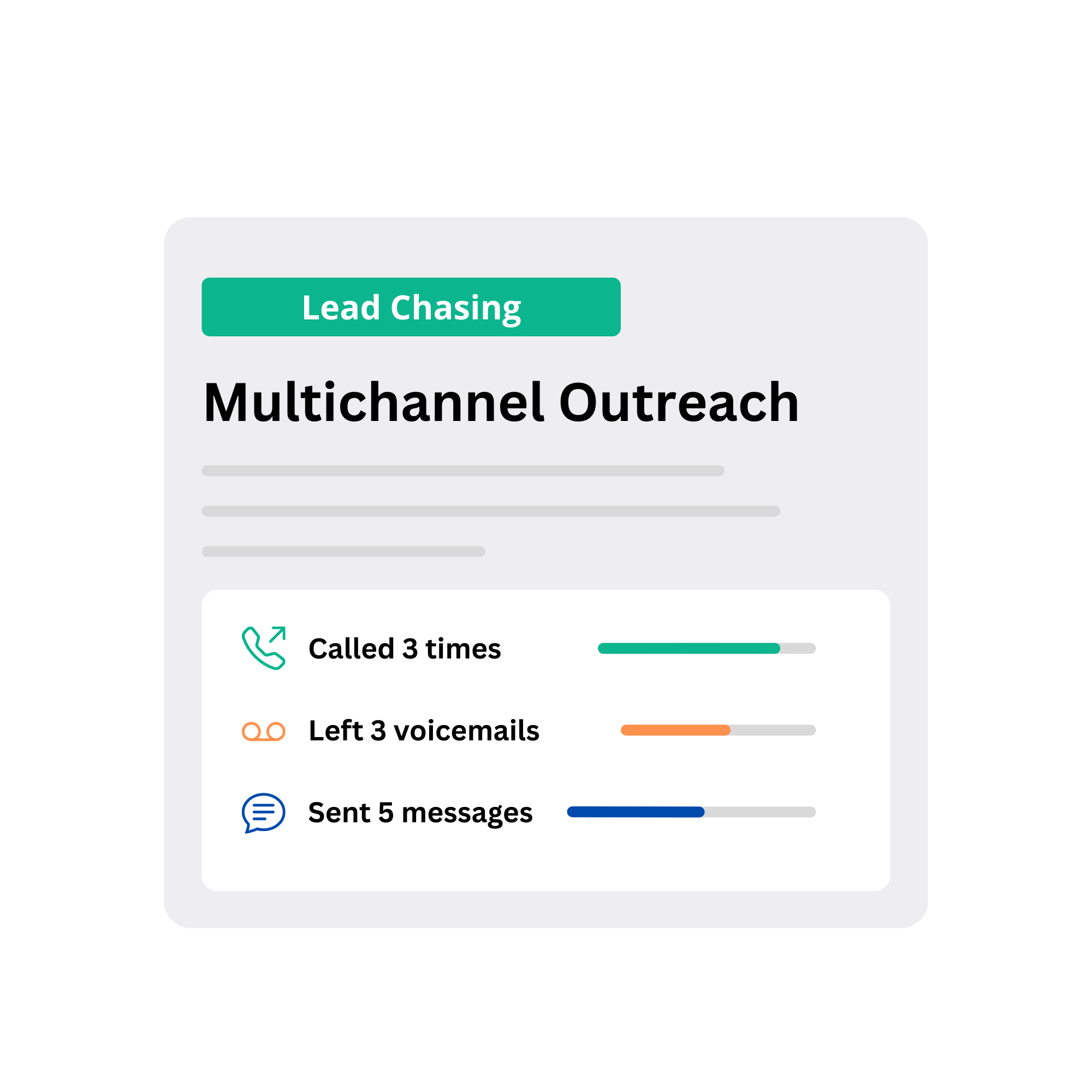
Step 2
Outbound Follow-Up
Prospective clients are contacted consistently across voice, text, and email until they respond, provide missing details, or confirm their next steps with the firm.
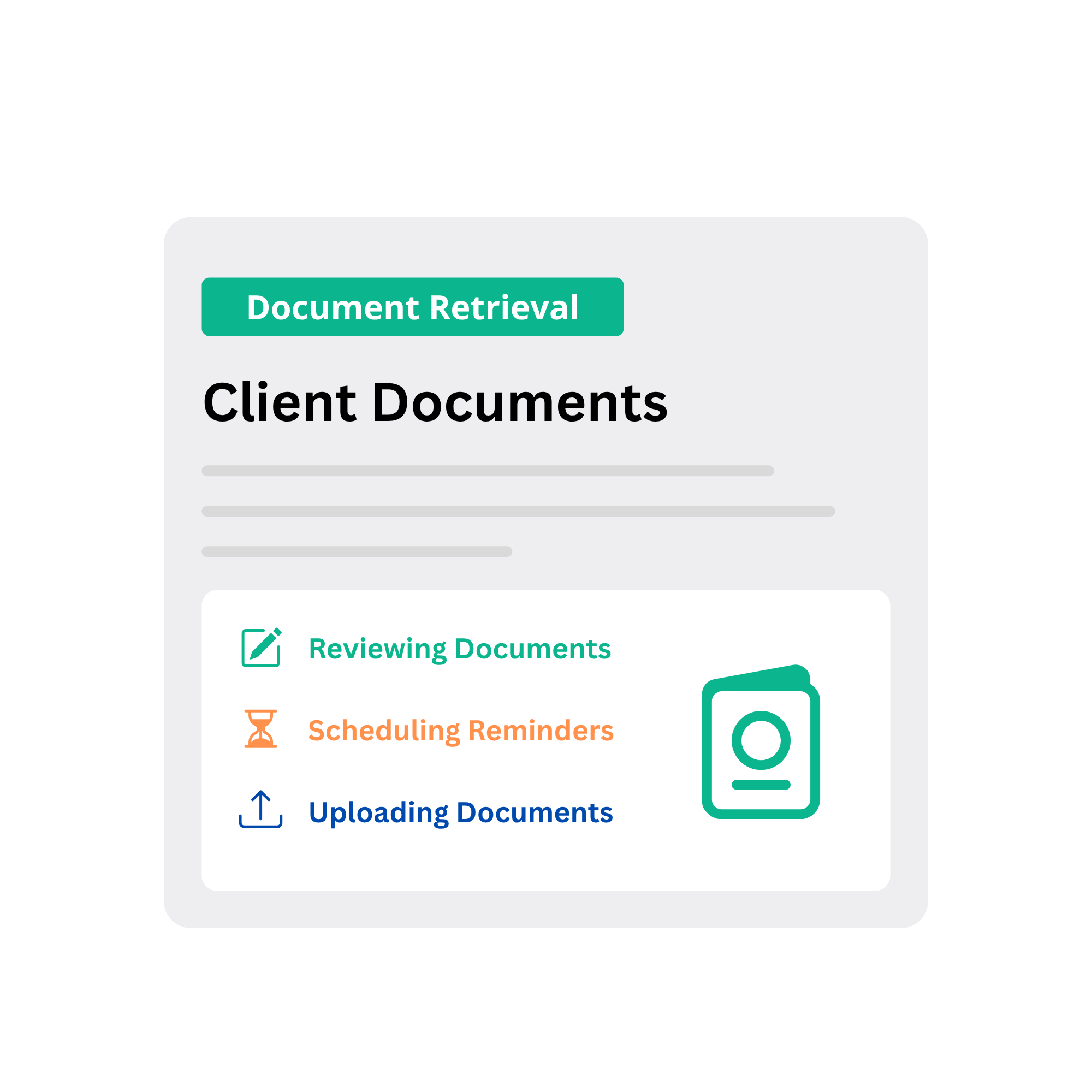
Step 3
Evidence & Document Collection
Your AI assistant tracks and follows up on outstanding documents, including termination letters, pay stubs, performance reviews, HR complaints, and written communications, so nothing is lost before litigation.
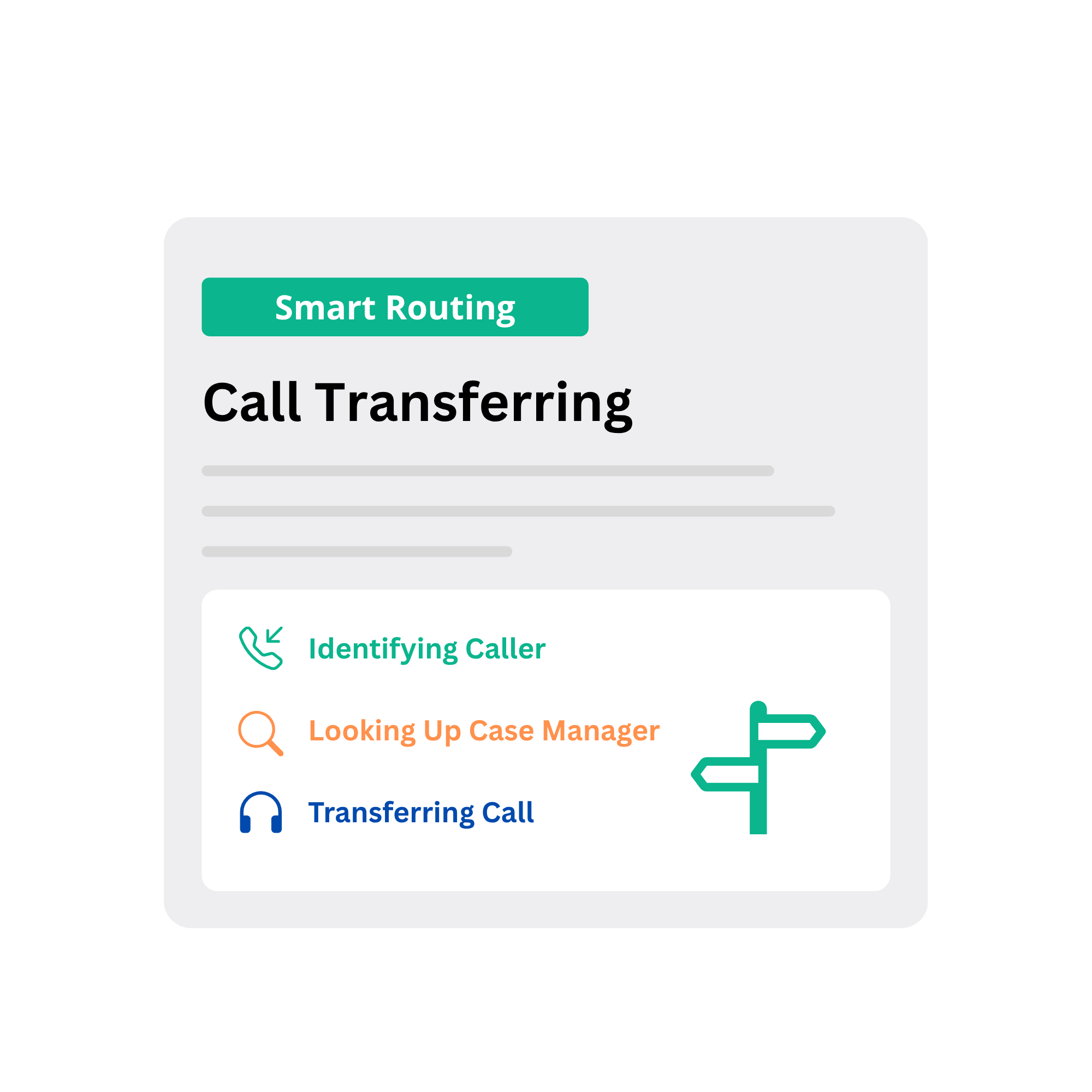
Step 4
Call Routing & Live Transfer
Calls and inquiries are directed to the appropriate employment attorney or case manager automatically based on claim type, urgency, and case complexity.
Stop Losing Employment Cases to Slow Intake
Interview your AI Employee© 2026 Reflekt Legal. All rights reserved.