
Medical Malpractice
Legal AI receptionist for medical malpractice firms
Screen every inquiry for merit from the first call with structured intake that captures clinical facts, timelines, and providers, then routes matters instantly
The Problems in Medical Malpractice
A viable malpractice matter is easy to lose in an unstructured first call
Incomplete intake becomes cases you never review.
Malpractice intake is high-effort and high-stakes. When your team cannot capture the clinical facts and timeline that a merit review depends on, promising matters are screened out or lost to a firm that answered first.
Callers arrive shaken and unsure they even have a case
People reaching out about a bad medical outcome are often grieving or in pain and cannot judge whether negligence occurred. Unstructured intake misses the facts that decide whether a matter is worth reviewing.
Merit screening depends on precise clinical facts
Provider, facility, dates of treatment, the alleged error, and the resulting harm all shape whether an expert review is warranted. These details are easy to lose in a rushed phone call.
Statutes of limitation and notice rules are strict
Medical malpractice deadlines vary by state and often include notice-of-claim or certificate-of-merit requirements. A slow callback can push a viable matter past the filing window.
What Modern Malpractice Intake Requires
Modern medical malpractice intake requires three things at the same time:
If any one of these is missing, viable matters are screened out or filed too late.
Compassionate Response
Structured Clinical Capture
Deadline Awareness
Existing Solutions
Existing Solutions Fall Short
Firms try to solve the intake gap by hiring more staff or outsourcing to answering services. Neither approach captures the clinical detail and timeline that a malpractice merit review demands.
In-house Intake Staff
Limited to business-hour availability
Cannot capture every inquiry the moment it arrives
Expensive to hire, train, and retain
Clinical-fact capture varies between team members
Hard to scale when a review surge hits
Answering Service
No grasp of clinical or malpractice terminology
Cannot screen merit or flag filing deadlines
Variable call quality and incomplete case notes
No follow-up on missing intake information or forms
Scripted responses miss clinical nuance
Medical Malpractice Intake Done Correctly
The steps needed to run an elite intake operation for malpractice matters
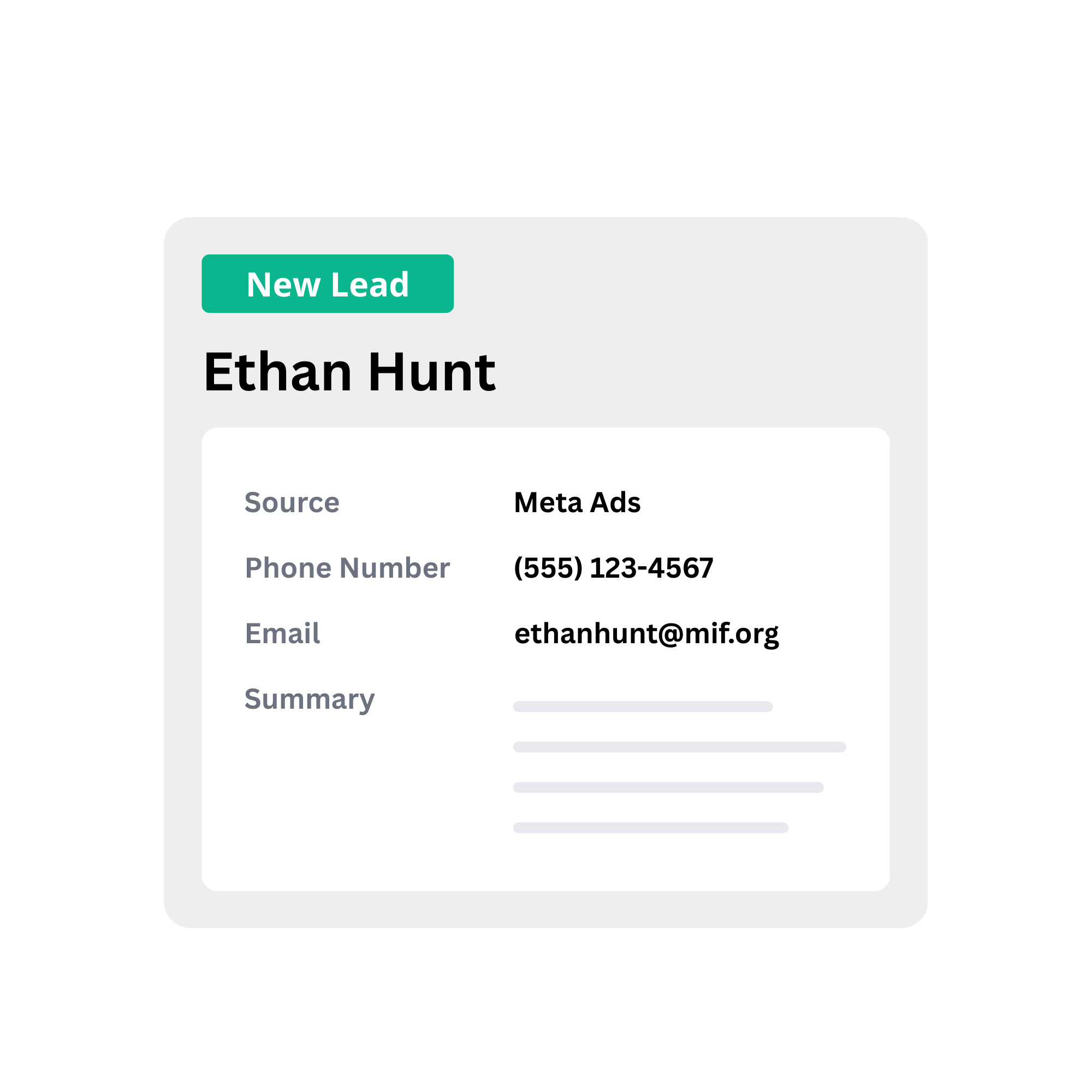
Step 1
Compassionate First Contact
Every call or form submission triggers instant, empathetic outreach from your AI employee, so someone reaching out about a serious medical outcome gets a structured response within seconds, day or night.

Step 2
Merit & Clinical Screening
Your AI employee captures provider, facility, dates of treatment, the alleged error, and the resulting harm using your exact screening rules, so matters worth an expert review are identified consistently.

Step 3
Intake Follow-Up
Outstanding intake items such as claimant forms and status updates are tracked and followed up on so the file is ready to move forward before an expert or attorney reviews the matter.
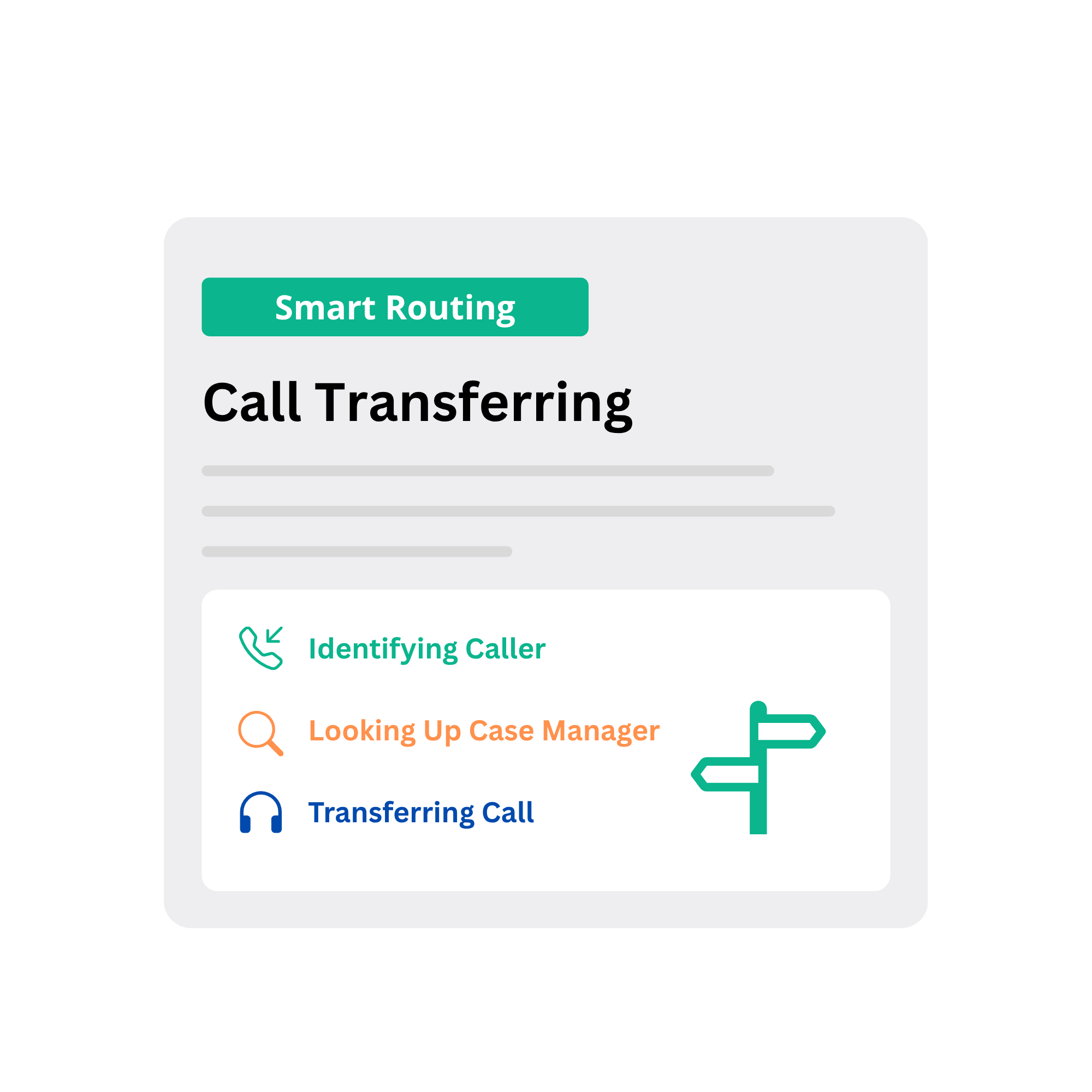
Step 4
Call Routing & Live Transfer
Matters that clear initial screening are directed to the appropriate reviewer or attorney automatically based on injury severity, filing deadline, and complexity.
Stop Losing Viable Malpractice Matters to Slow Intake
Interview your AI Employee© 2026 Reflekt Legal. All rights reserved.