
Workers' Compensation
Legal AI receptionist for workers' compensation firms
Capture every injured worker from the first call with structured intake that records injury facts, screens claim viability, and routes cases instantly
The Problems in Workers' Compensation
A missed call from an injured worker is a case that goes to the next firm
Delayed contact becomes lost clients.
Injured workers rarely wait. When your intake only runs during business hours and cannot capture the injury facts that qualify a claim, the strongest cases go to whoever answers first.
Injured workers need help immediately
A worker hurt on the job is often in pain, worried about their paycheck, and unsure whether to file. If they cannot reach the firm right away, they call the next number on the list.
Reporting and filing windows are short
Deadlines to report an injury to an employer and to file a claim vary by state and are measured in days. A slow intake process can bar an otherwise valid claim before it begins.
Injury facts must be captured precisely
Date and mechanism of injury, employer, body parts affected, and treatment so far all shape whether a claim is viable. Unstructured intake loses the details that determine the case.
What Modern Workers' Comp Intake Requires
Modern workers' compensation intake requires three things at the same time:
If any one of these is missing, injured workers move on and claims lapse.
Instant Response
Structured Injury Capture
Deadline Awareness
Existing Solutions
Existing Solutions Fall Short
Firms try to solve the intake gap by hiring more staff or outsourcing to answering services. Neither approach captures injured workers with the speed and structure these claims demand.
In-house Intake Staff
Limited to business-hour availability
Cannot capture every injury the moment it is reported
Expensive to hire, train, and retain
Injury-fact capture varies between team members
Difficult to scale with surges in workplace injuries
Answering Service
No understanding of workers’ comp terminology
Cannot screen injury viability or reporting deadlines
Variable call quality and incomplete case notes
No follow-up on missing intake information or forms
Scripted responses miss injury nuance
Workers' Compensation Intake Done Correctly
The steps needed to run an elite intake operation for workplace injury claims
Step 1
Immediate Response
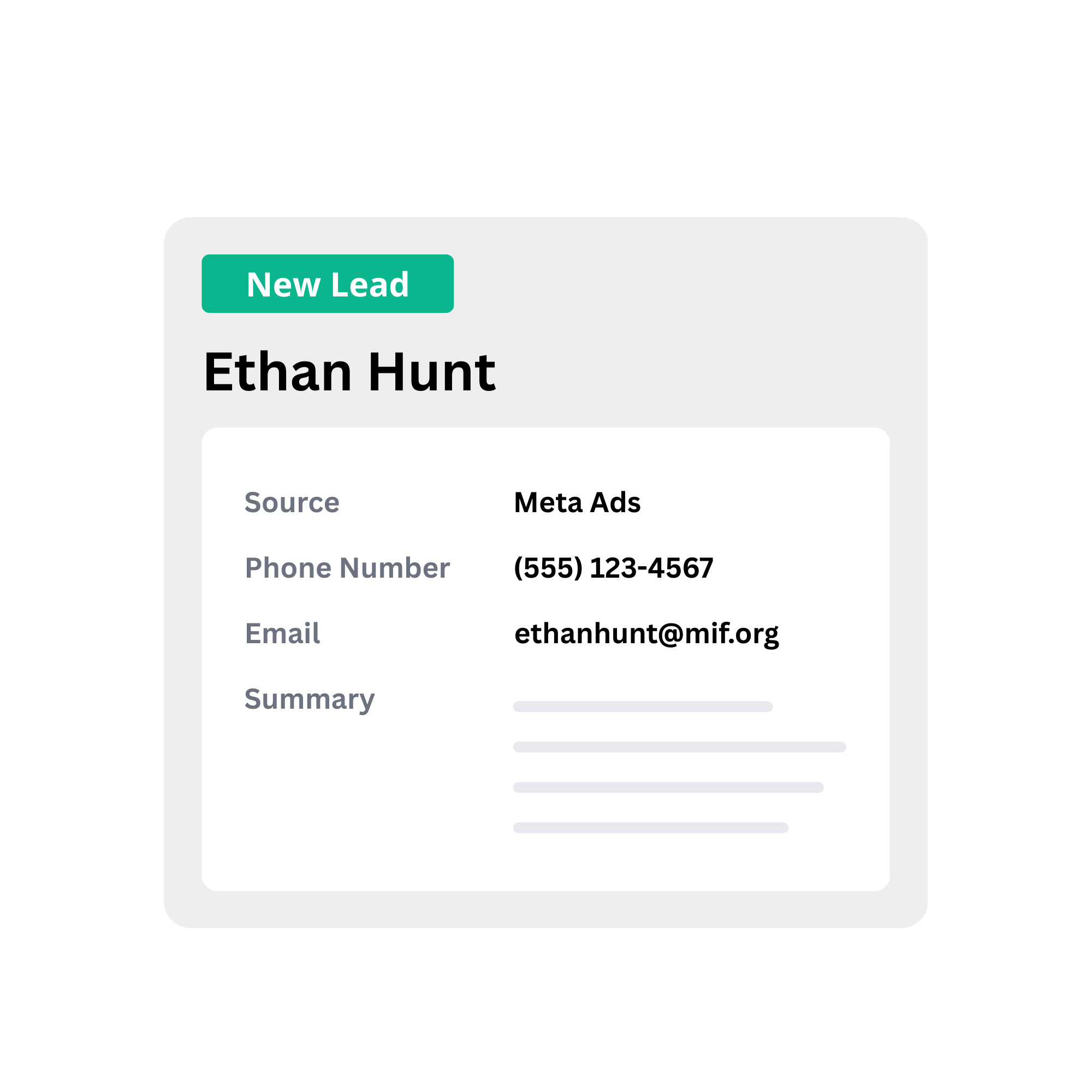
Every call or form submission triggers instant outreach from your AI employee, so an injured worker who reaches out after hours or over the weekend gets a structured response within seconds.

Step 2
Injury & Claim Screening
Your AI employee captures date and mechanism of injury, employer, affected body parts, and treatment so far using your exact qualification rules, so viable claims are identified consistently.
Step 3
Intake Follow-Up
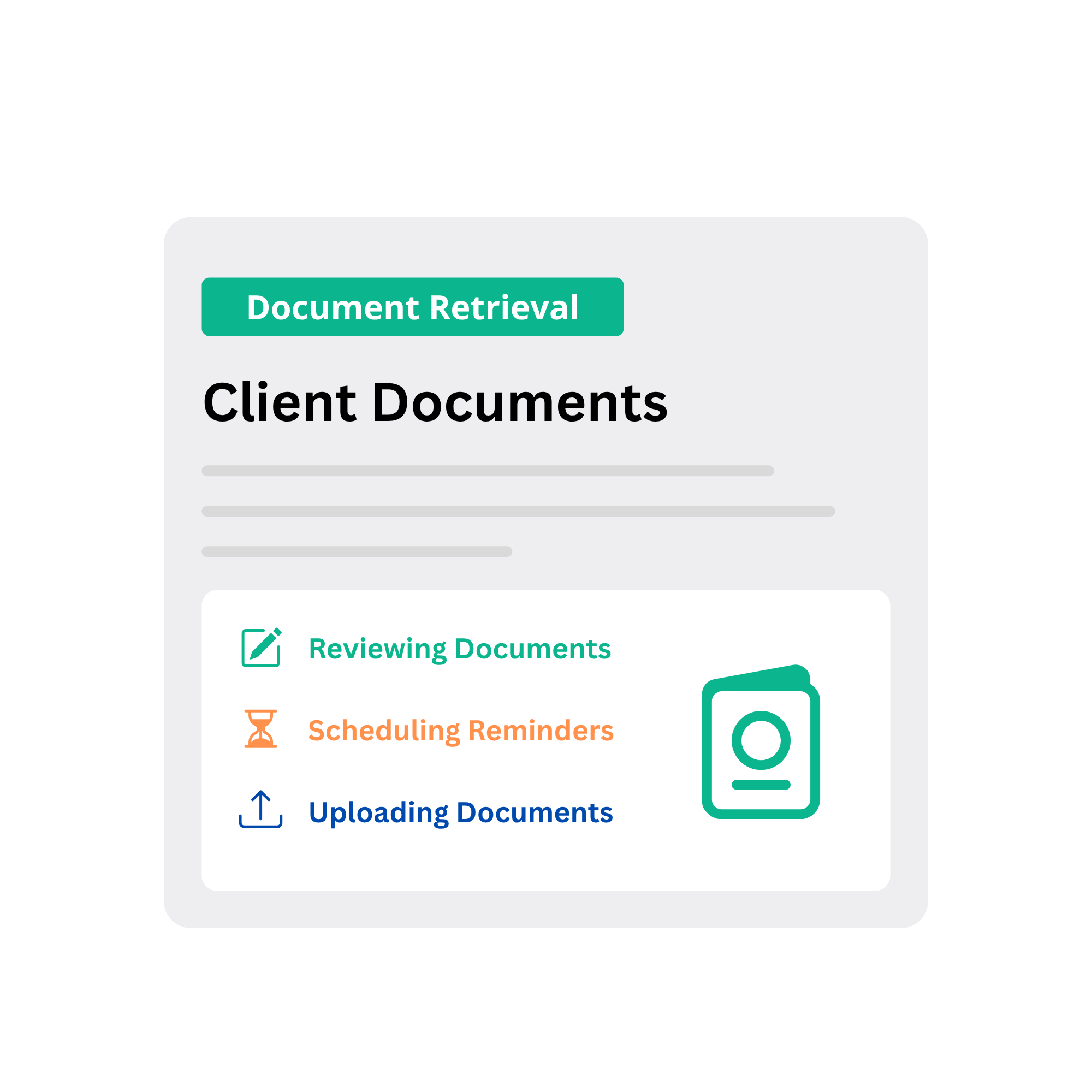
Outstanding intake items such as claimant forms and status updates are tracked and followed up on so the file is ready to move forward before filing or a hearing.
Step 4
Call Routing & Live Transfer
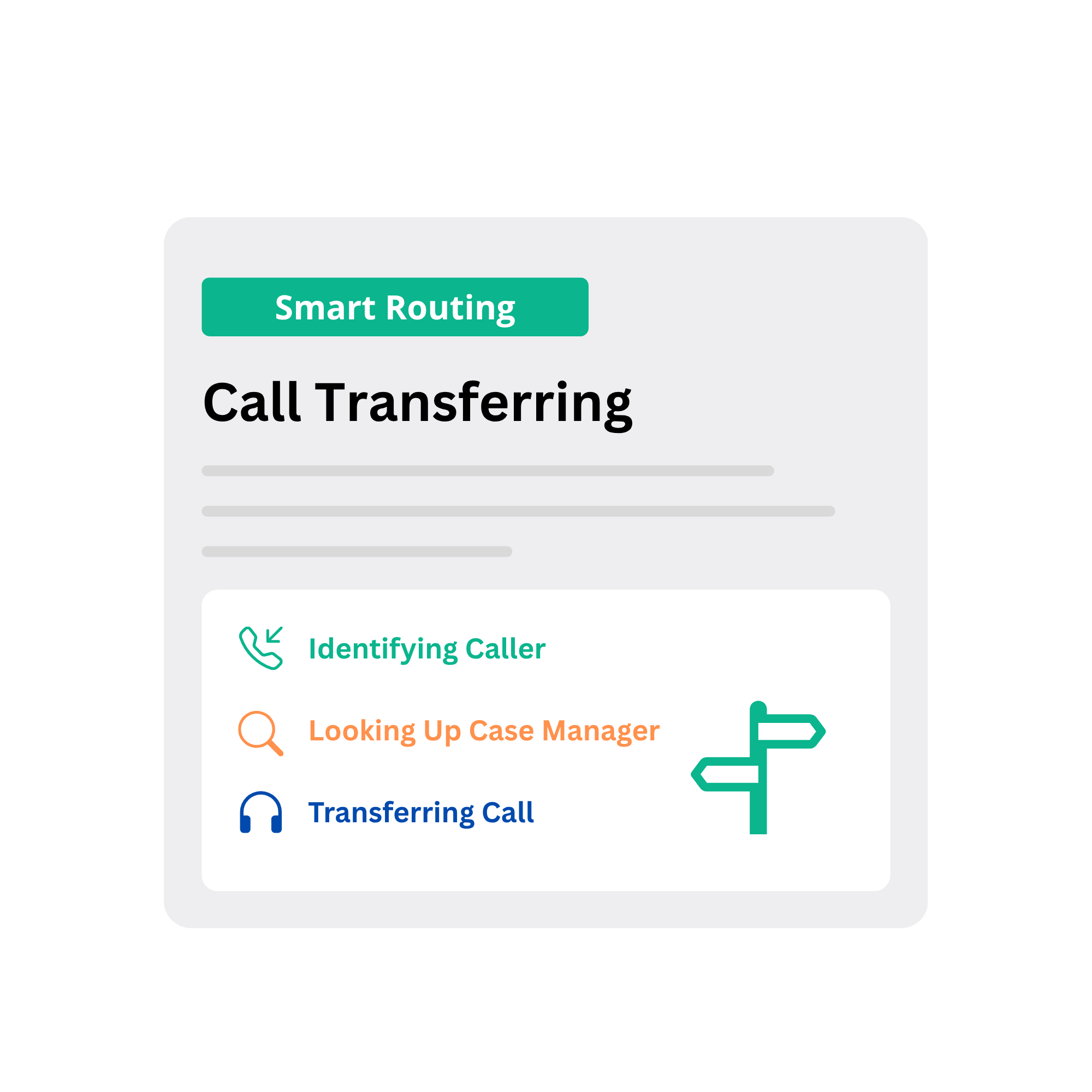
Qualified claims are directed to the appropriate case manager or attorney automatically based on injury severity, reporting deadline, and complexity.
Stop Losing Injured Workers to Slow Intake
Interview your AI Employee© 2026 Reflekt Legal. All rights reserved.